The silent writing desk eventually stops your draft because willpower is a finite resource. When you rely entirely on your own discipline to maintain focus in complete isolation, the friction of starting slowly overwhelms your momentum. A solitary environment demands energy that belongs to your story.
The Romance of Complete Solitude
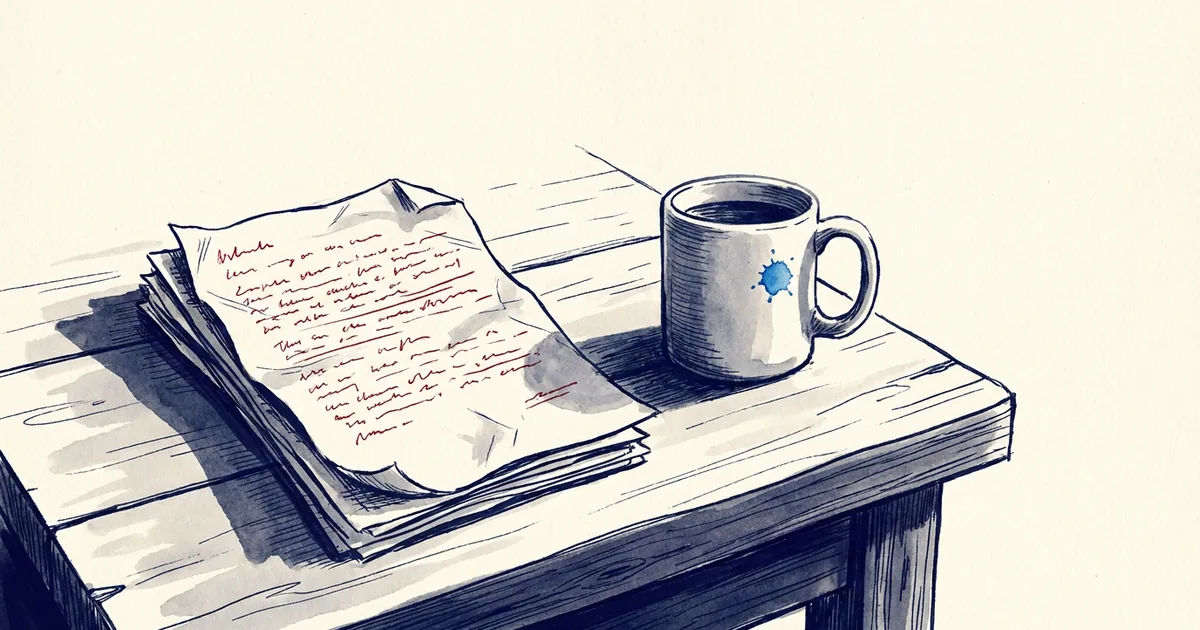
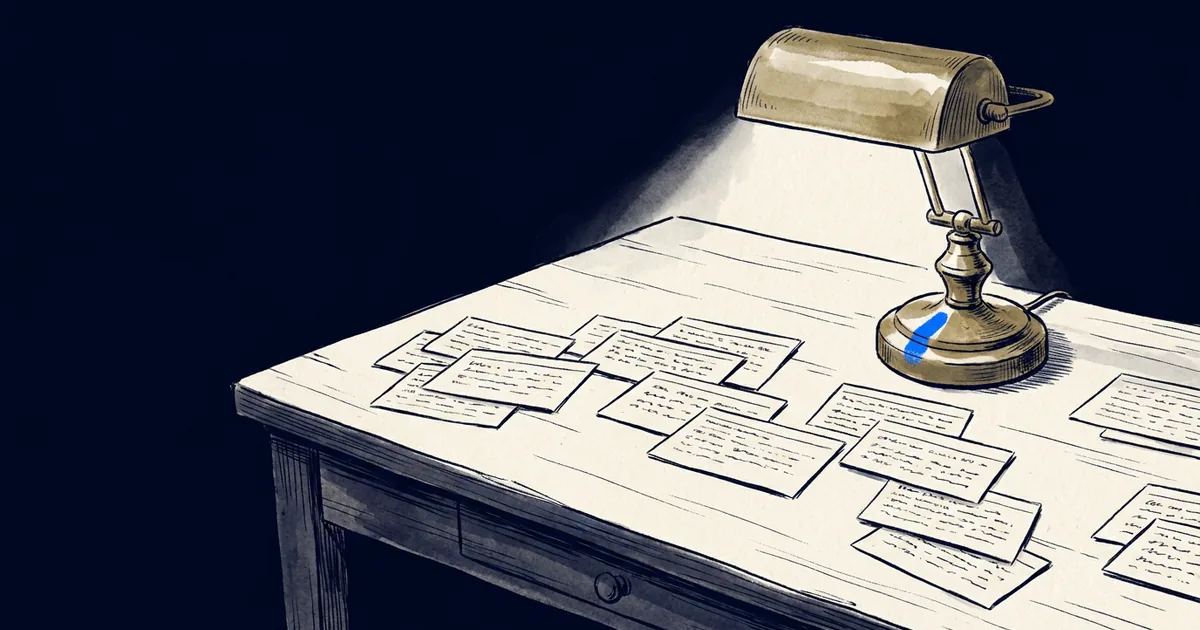
We picture the solitary desk as the perfect workspace. The door is closed, the room is completely quiet, and the world is shut out. We assume that if we simply remove every external distraction, the words will naturally flow. This is the image we are taught to chase when we first start writing books. We believe that focus is merely a matter of isolation.
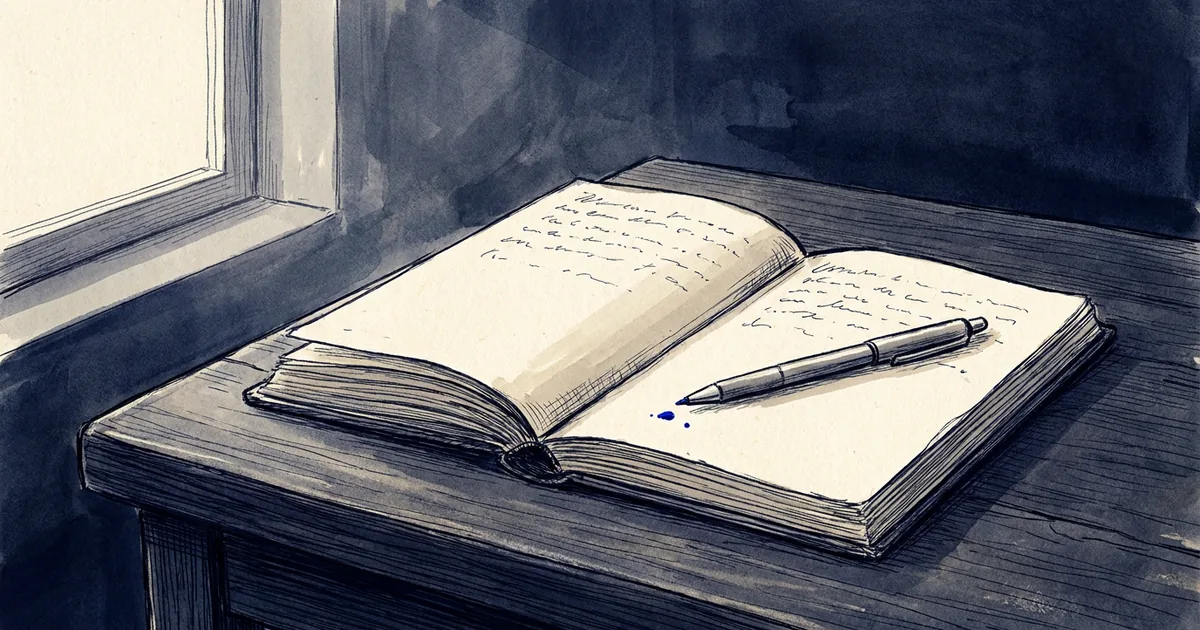
The reality is much heavier. When you sit in complete silence, every ounce of forward motion has to come from your own internal drive. There is no external rhythm to carry you. If you pause to think about a plot hole, there is nothing pulling you back to the keyboard. The quiet room does not judge you if you open another browser tab or decide to stop early. You are the only person holding the standard, and that is an exhausting job to do day after day.
Over time, the effort required just to stay seated begins to rival the effort required to write the scene. You find yourself spending your energy on the act of concentrating, rather than on the characters. This kind of friction is exactly what turns a daily habit into a sporadic one.
Diagnosing a Depleted Willpower Reserve
It is easy to mistake this fatigue for a lack of talent or a flaw in the story itself. Before you blame the book, look at your habits. There are clear signs that working entirely alone is draining your momentum.
- Your sessions are shrinking from a planned hour down to fifteen minutes of actual drafting.
- You spend the first half of your writing time organising notes or adjusting formatting instead of writing new sentences.
- The gap between your writing days is growing wider, stretching from hours into weeks.
- You feel a sense of dread when approaching the desk, knowing how much energy it will take to begin.
- You frequently abandon a difficult scene to do research you do not actually need to do right now.
These are not character flaws. They are the predictable results of asking your own discipline to do the work of a structured environment. When the environment provides nothing, you have to provide everything.
The Invisible Friction of Starting
The heaviest lift for any writer is the transition from not writing to writing. When you work alone, that transition relies entirely on a decision you have to make. You have to decide to sit down, decide to open the document, decide to ignore your phone, and decide to type the first word. Each of those decisions is a tiny tax on your willpower.
By the time you actually begin to write, you have already spent a significant portion of your daily energy. This friction is why so many drafts stall at the beginning of chapters. The blank page demands too much activation energy when there is no external momentum to catch you.
When you try to force it, the prose often feels forced, simply because your mind is tired from the act of forcing focus. The words on the page reflect the tension of the process.
When Discipline Replaces Storytelling
Writing a novel requires an enormous amount of cognitive load just to hold the story world in your head. You have to remember what your protagonist knows, what the antagonist wants, and the specific tone of the setting. If you are simultaneously spending cognitive load on keeping yourself in the chair, the story suffers.
You begin to look for the easiest way to finish a scene rather than the most authentic way. The dialogue becomes utilitarian. The descriptions thin out. You are no longer fully present in the narrative because a large part of your attention is acting as a monitor, ensuring you do not wander away from the desk.
This internal division of labor is unsustainable. A writer needs their full attention directed at the page. Every ounce of energy spent on self regulation is energy stolen from the manuscript.
Removing the Burden of Decision
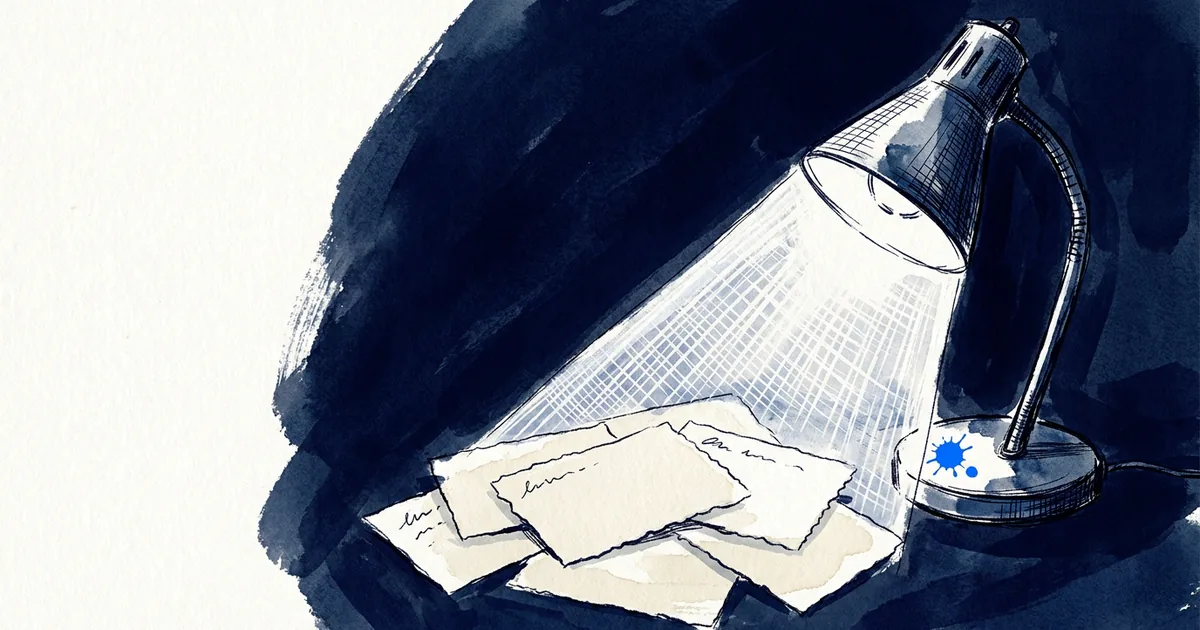
The solution is not to try harder. Trying harder is what got you stalled in the first place. The solution is to remove the burden of discipline from your own shoulders and place it onto a structure. You need a way to bypass the constant decision making and simply arrive at the page ready to work.
This is where finding external structure becomes critical. If you are struggling to maintain a rhythm, the best intervention is to change the environment. Resources on how to find time to write often reveal that schedule is more important than duration. You do not need more hours. You need hours that do not require you to fight yourself. Finding an external structure naturally dissolves writer's block without requiring you to exert more effort.
In the next section, we will look at exactly what happens to your manuscript when you let this isolation persist. As we will see in Part 2 and later in Part 3, the extended absences eventually begin to erode the very voice of your story.
Questions writers ask
Why does writing alone feel so exhausting?
Writing alone requires you to constantly police your own focus. Every time your attention drifts, you have to consciously pull it back to the page. This continuous self regulation drains the mental energy that you should be spending on your prose.
Is complete silence actually bad for concentration?
Silence itself is not bad, but isolation can be. Without the presence of a structured environment or the awareness of a ticking clock, the silence can magnify internal resistance. It leaves you entirely reliant on your own willpower to maintain momentum.
How do I know if my environment is the problem?
If you find that you have a clear plan for your story but consistently fail to start writing, the environment is likely the issue. When the friction of sitting down outweighs your desire to tell the story, you need external structure rather than more discipline.