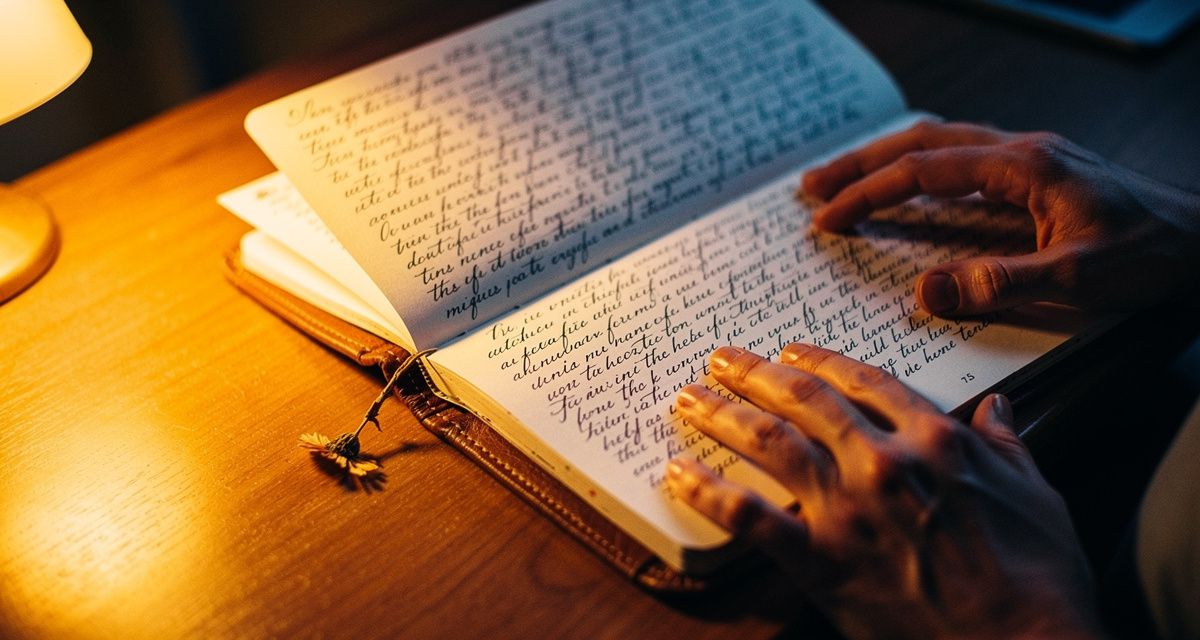

Rereading yesterday's work kills your manuscript because it forces your brain out of drafting mode and into editing mode. Instead of moving the story forward, you spend your limited writing window tweaking sentences you might rewrite anyway. This editing loop drains your momentum and leaves the book unfinished.
You think rereading yesterday's work makes you a careful writer. It actually makes you a stalled writer. The pattern is devastatingly clear: the writers who reread previous chapters before every session are often the ones who abandon their books. The ones who finish start cold.
This is one of the hardest writing tips to accept: forward motion beats perfect recall. You believe you need to refresh your memory, check for consistency, and ensure the voice matches. This feels like diligence, but it is actually a trap. Every reread opens the door to editing impulses. You spot a clumsy phrase. You tweak a dialogue tag. You decide a scene needs restructuring. Three hours later, you have rewritten everything from yesterday and written zero new words.
Rereading your draft before writing creates an editing loop that prevents completion.
Why Rereading Traps You in an Editing Loop
Rereading is not necessary maintenance. Authors who finish their manuscripts use forward-only momentum. They treat rereading as a reward for finishing the draft, not as a prerequisite for continuing it.
The psychology of "fresh eyes syndrome" is seductive. When you step away from your manuscript, your brain deprioritizes yesterday's prose. When you return twelve or twenty-four hours later, those sentences feel foreign. You notice awkward phrasing. You see pacing issues. This is not because the writing got worse overnight. Your perspective simply shifted from creator to critic.
You think rereading yesterday's work makes you a careful writer. It makes you a stalled writer.
This fresh perspective activates your analytical brain. You start fixing sentences instead of continuing scenes. Time vanishes into polishing prose that might not even survive the next plot twist, and your momentum stalls. Writers stuck with messy drafts are usually the ones who have reread their opening chapters twenty times, creating ripples of inconsistency that require more rereads to fix.
If you are suffering from editing overwhelm, the solution is not to edit more carefully. It is to stop editing entirely until the draft is completely done.
The Anchor Note Method for Starting Cold
We call the solution the Anchor Note method. It is simple but requires discipline. At the end of every writing session, spend exactly two minutes writing not what just happened, but what happens next. Write the immediate next action, the emotional beat, or the specific line of dialogue that opens the next scene.
Be concrete. "John finds the letter and realizes Sarah lied" is far better than "John discovers something shocking." This is your anchor note.
Close the document immediately. Do not scroll up. Do not reread the previous pages.
The next day, open your manuscript and read only the anchor note. Then start writing from that prompt immediately. This eliminates the reread-edit trap because you never give your critical brain access to yesterday's prose. You jump directly into creation mode while your subconscious is still holding the story threads.
Every reread is an edit session disguised as preparation.
The anchor note method preserves your momentum by giving your brain a highly specific task—write this exact next thing—without the distraction of judging what came before. It is a bridge across the gap between writing sessions that does not require you to rebuild the entire bridge each time you sit down at the desk.
Handling Continuity Without Rereading
You are probably objecting right now: if I do not reread, I will forget character details, drop subplots, and make embarrassing continuity errors. This is the fear that keeps you rereading, but your subconscious holds the story context more accurately than your anxious brain believes. If a detail truly matters to the emotional core of the story, it will stick in your memory.
If it does not, you can track it externally. This is why having your entire book in one place changes the arithmetic of drafting. Instead of hunting through past chapters to remember a character's eye color or the exact wording of a threat, you keep those facts in a Story Hub. When you build your world in a Story Hub, you refer to that central reference document, not your unedited prose. This keeps your eyes facing forward.
Continuity errors caught during drafting often create new inconsistencies anyway. You have not written the ending yet. That "error" you caught might be exactly what the story needs. Mark it in brackets and keep moving.
Continuity errors are better caught in revision; fixing them during drafting creates new problems.
Why Your Manuscript Needs Forward Motion
The reread is a comfort blanket that costs you the finished book. It feels safe to look back before moving forward, but safety is the enemy of completion. Your manuscript does not need your protection while you are drafting. It needs your forward motion and your willingness to push through the messy middle.
Write your current ending point and next scene goal on an index card. Stop reading. The next day, read only the index card and write new words. Try this for one week without opening previous chapters.
You will discover that you remember more than you thought, and that your progress accelerates when you stop editing yesterday's work. The writers finishing their books are not looking back. They are looking at the anchor note, and then they are writing the next sentence. That is the only way the book gets done.
Questions writers ask
How do I maintain my voice if I don't reread yesterday's work?
Voice consistency comes from your internal understanding of the character and the story, not from imitating what you wrote yesterday. Rereading often makes you self-conscious, leading you to mimic yourself rather than write naturally. Trust your current rhythm.
What if I forgot exactly where I left off?
This is why the Anchor Note method is vital. By writing down the exact next action or line of dialogue before you finish for the day, you give your brain a specific starting point for the next session without needing to scan previous pages.
How do I fix the continuity errors I made while drafting?
You fix them after the draft is complete. Once you have a finished manuscript, you can run a proper Proofing Pass to catch inconsistencies, knowing exactly how the book ends and which details actually matter to the final story.
Do I need to maintain a separate document for character details?
Yes, keeping facts outside the manuscript prevents you from scrolling up to find them. Using a Story Hub allows you to document character traits, places, and rules so you can check a fact without exposing yourself to your unedited prose.